
Nutrition Is the Foundation of Training Adaptation
It is not always true that training more means training better. Results depend on regularly taking proper nourishment, drinking enough liquids, getting proper sleep, and recovering sufficiently. Supplements can fulfil some of those needs but should be used together with a proper diet. According to (NIH), the effects of supplements depend on the type, intensity, and duration of exercises performed. Hence, supplements should be chosen based on the needs of use, rather than simply increasing their number.
The worldwide market of sports nutrition supplements was worth $52.3 billion in 2025 and is expected to reach $103.8 billion by 2034, demonstrating a 7.9% CAGR from 2026 till 2034 as per DataIntelo’s analysis. It illustrates that the interest of customers in fitness, recovery, prevention, and convenience is growing; hence, it’s important to make an assessment of supplements based on the scientific data about the expected purpose of use.
Protein Supports Muscle Repair and Adaptation
Those who exercise often also benefit greatly from protein as part of their nutrition routine. Athletes should be sure they’re consuming the appropriate protein levels according to the NIH Office of Dietary Supplements, that said it’s typically about 1.2-2.0 g per kilogram of body mass each day, depending on sport and intensity. In the case of a 75 kg athlete whose target protein consumption is over 2.0 g/kg/day, his protein intake should equal approximately 150 g per day.It is a good idea to balance protein intake across meals to allow the body to receive amino acids frequently for muscle repair and modification.
When Protein Powder Makes Sense
Whey and other complete protein powders are valuable mainly for convenience. They can help close a protein gap when preparing a complete meal is impractical.
Protein powder can be useful when:
- Daily protein targets are difficult to reach through food.
- Training occurs during a busy workday.
- A portable post-training option is needed.
- Appetite or scheduling makes larger meals inconvenient.
- A predictable protein serving is useful.
Total daily intake This is the most important calculation, if the athlete has a target intake of 130 grams, but habitually eats 100, then then the 25–30-gram portion can in the long term significantly cut the deficit.
Creatine Monohydrate: A Strong Evidence-Based Option
How it works2 Creatine monohydrate is arguably the single most extensively studied dietary supplement for performance during high-intensity exercise. This supplement increases phosphocreatine levels within the muscles, in an effort to allow ATP – the body’s source of energy created within muscle tissue – to produced quicker during exercise. An study from the National Institutes of Health has indicated the combination usage of creatine monohydrate is associated with improved muscle strength, power and a boost in overall physical fitness during high intensity activities that are dependent on strength and power, like weightlifting or sprinting.
Some popular strategies that involve creatine monohydrate include:
• Loading: about twenty grams daily for five to seven days.
• Maintenance: about three to five grams daily.
• Alternatives: three to five grams daily without loading.
Loading is not a necessity. Regular daily intake can eventually increase muscles’ creatine levels. Creatine monohydrate remains the most researched form of creatine. Some weight gain may happen due to water retention by muscles but should not be mistaken for fat gain.
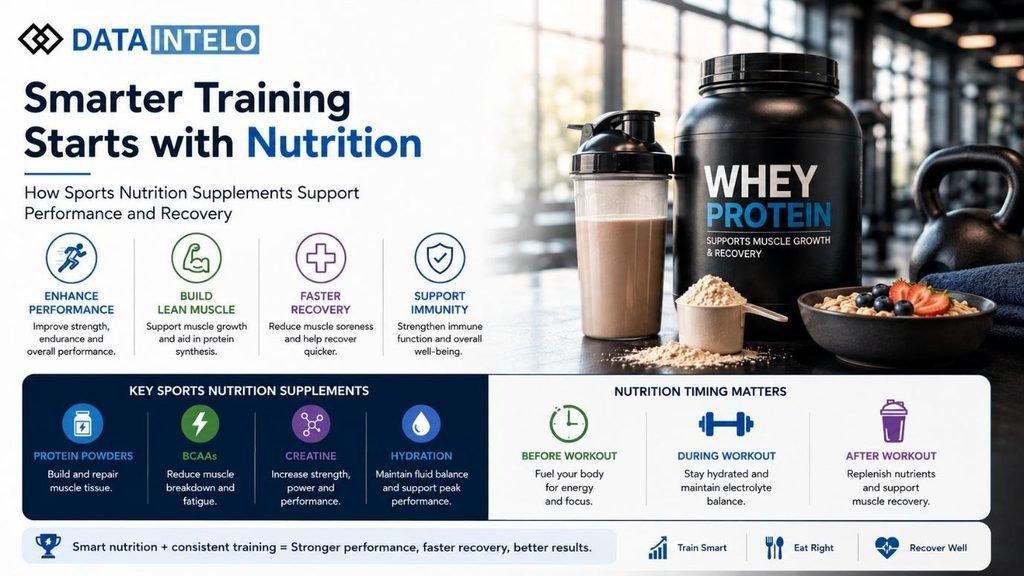
Carbohydrates Fuel High-Volume Training
Carbohydrates may not be as trendy, yet they are critical when the amount of your workouts increases and their level of intensity rises. Glycogen stored in the muscles and liver provides the necessary energy readily, thus making the consumption of carbohydrates very important in endurance tasks, intervals, field events, and extreme training plans.
During prolonged sessions, athletes may use:
- Sports drinks
- Energy gels
- Carbohydrate powders
- Easily digested carbohydrate foods
In terms of endurance activities that continue longer than an hour, there can be a raised demand for fluid and carbohydrate provision. However, the initiation of fuel should be directly related to the specific length of time of the physical activity as well as its intensity, individual tolerances, and total daily carbohydrate needs.
Caffeine Can Improve Performance, but More Is Not Better
One the biggest supplements investigated for use in enhancing performance is caffeine. This stimulant essentially blocks our adenosine receptor to help prevent sleep and alleviate fatigue and exertion. The effect varies depending upon who is using it and, on the activity, they are performing: The Office of Dietary Supplements from the NIH stated “Studies has found performance benefit doses range from 2-6 mg/kg of caffeine for various types of endurance, strength, and power supplementation.
For example, for a 70 kg athlete, one may look to add a dose between 140 and 420 mg of caffeine.
Excessive caffeine can contribute to:
- Restlessness
- Anxiety
- Gastrointestinal discomfort
- Increased heart rate
- Insomnia
- Sleep disruption
A stimulant that improves one workout but damages sleep may reduce overall training adaptation. Timing and individual tolerance therefore matter.
Electrolytes Matter When Sweat Losses Are High
Hydration is determined by various factors including body size, extent of exercise, temperature, humidity, dressing and sweating rate. The mineral sodium is significant as most of the sodium or sodium ions get lost from the body due to perspiration.
Athletes keep their weight before and after a prolonged exercise session and then estimate the amount of fluid lost by tracking the volume of fluid consumed. It is approximately said that 1 kilogram of body weight lost means a net fluid loss of 1 liter.
Popular Does Not Always Mean Effective
Supplements have dramatically different levels of scientific support. A professional approach distinguishes plausible mechanisms from consistent evidence in controlled research.
It should also not be assumed that taking high amounts of antioxidant supplements will enhance performance. Some studies suggest that too much of antioxidant supplements may inhibit certain adaptations to exercise. Athletes should analyze the evidence relating to the particular product, dosage, and desired result rather than taking for granted that every popular product offers some benefit.
One Evidence-Based Framework for Supplement Selection
| Supplement | Primary Application | Practical Consideration |
|---|---|---|
| Protein powder | Meeting protein needs | Use when food intake falls short |
| Creatine monohydrate | Strength and repeated high-intensity activity | 3–5 g/day maintenance |
| Caffeine | Alertness and performance | Individualize dose and protect sleep |
| Carbohydrate drink or gel | Prolonged or high-volume exercise | Match intake to training demand |
| Electrolytes | Significant sweat losses | Individualize to conditions and sweat rate |
Supplement Quality Is Part of the Strategy
The timing of supplements may be heavily stressed but you shouldn’t let it overshadow fundamental requirements; a post-workout protein shake will never compensate poor sleep, lack of sleep, low amounts of protein consumption or fluid inadequacy.
Before purchasing, check:
- Ingredient quantities and serving size
- Stimulant and allergen information
- Ingredient transparency
- Third-party testing
- Proprietary blends
- Batch or certification information
The U.S. Food and Drug Administration states that dietary supplements are not classified in the same way that drugs are, nor are they approved for safety and effectiveness prior to marketing by the FDA. Instead, manufacturers and distributors are granted the responsibility of making sure their products meet the relevant requirements and are neither contaminated nor incorrectly branded.
Supplement use can result in side effects and might cause interactions with medicines or other supplements taken. It is essential for anyone using medications who is considering taking supplements to discuss this with a healthcare provider.
The Smarter Approach to Sports Nutrition
It is not enough to just consume lots of different supplements to achieve success with them; it is necessary to meet particular needs. Initially, you have to fulfil your needs in energy, protein, fats, carbohydrates, water, sleep, and recovery. Only after this phase is finished will one be able to make use of various supplements such as creatine, caffeine, protein supplements, carbs, or electrolytes. The key is to determine your individual requirements, select proper supplements, and monitor your progress.
Reference: https://dataintelo.com/report/sports-nutrition-supplements-market

About the Author
Ashish Kolte is a Marketing Manager at DataIntelo with expertise in marketing, market intelligence, and business strategy. He combines marketing insights with industry research to help organizations understand market dynamics, identify growth opportunities, and make data-driven decisions. His areas of interest include emerging technologies, artificial intelligence, healthcare, industrial markets, and global business trends. Through his writing, Ashish shares research-backed perspectives on evolving industries and strategic market developments.
LinkedIn: https://www.linkedin.com/in/ashishkolte/